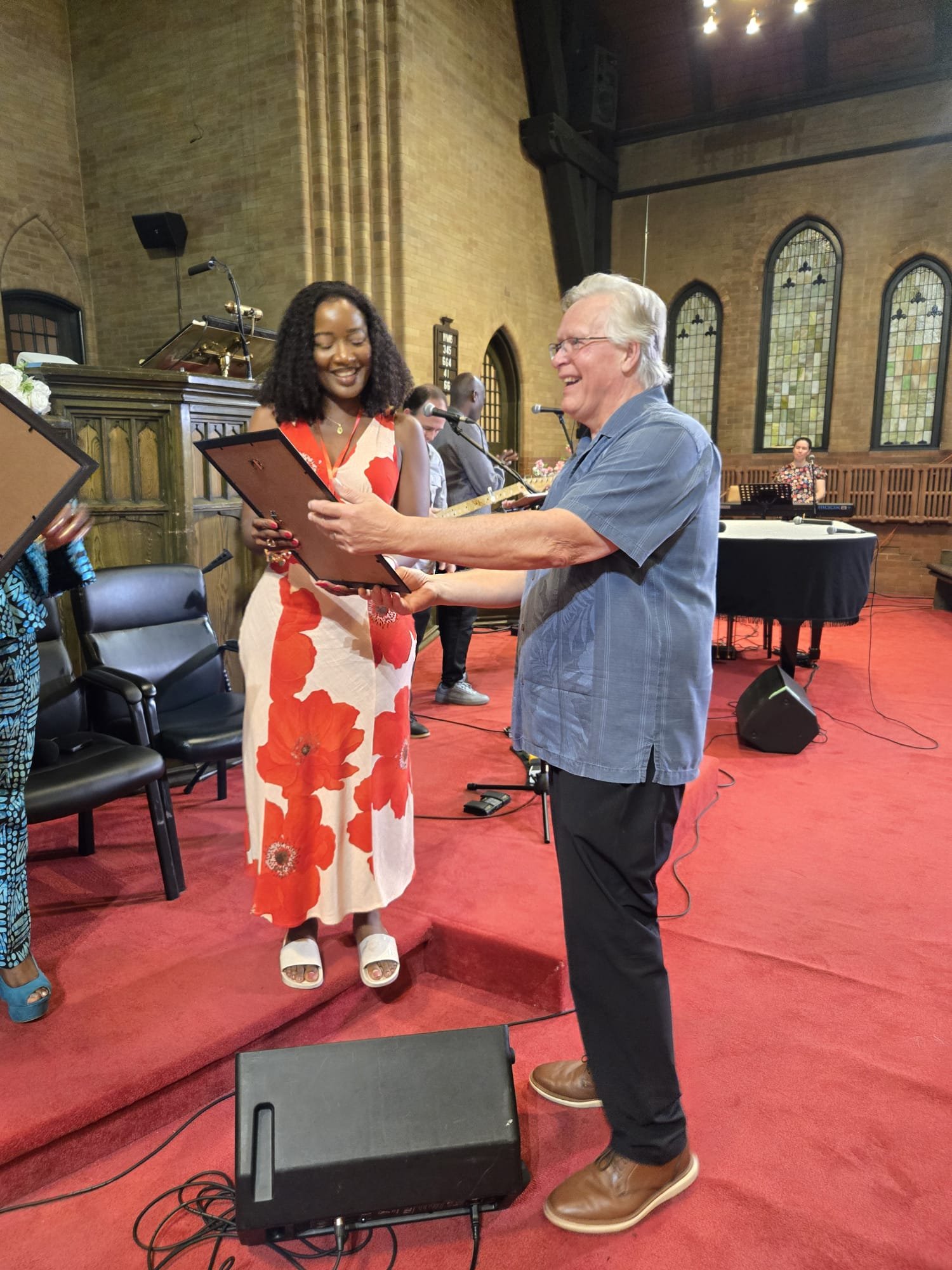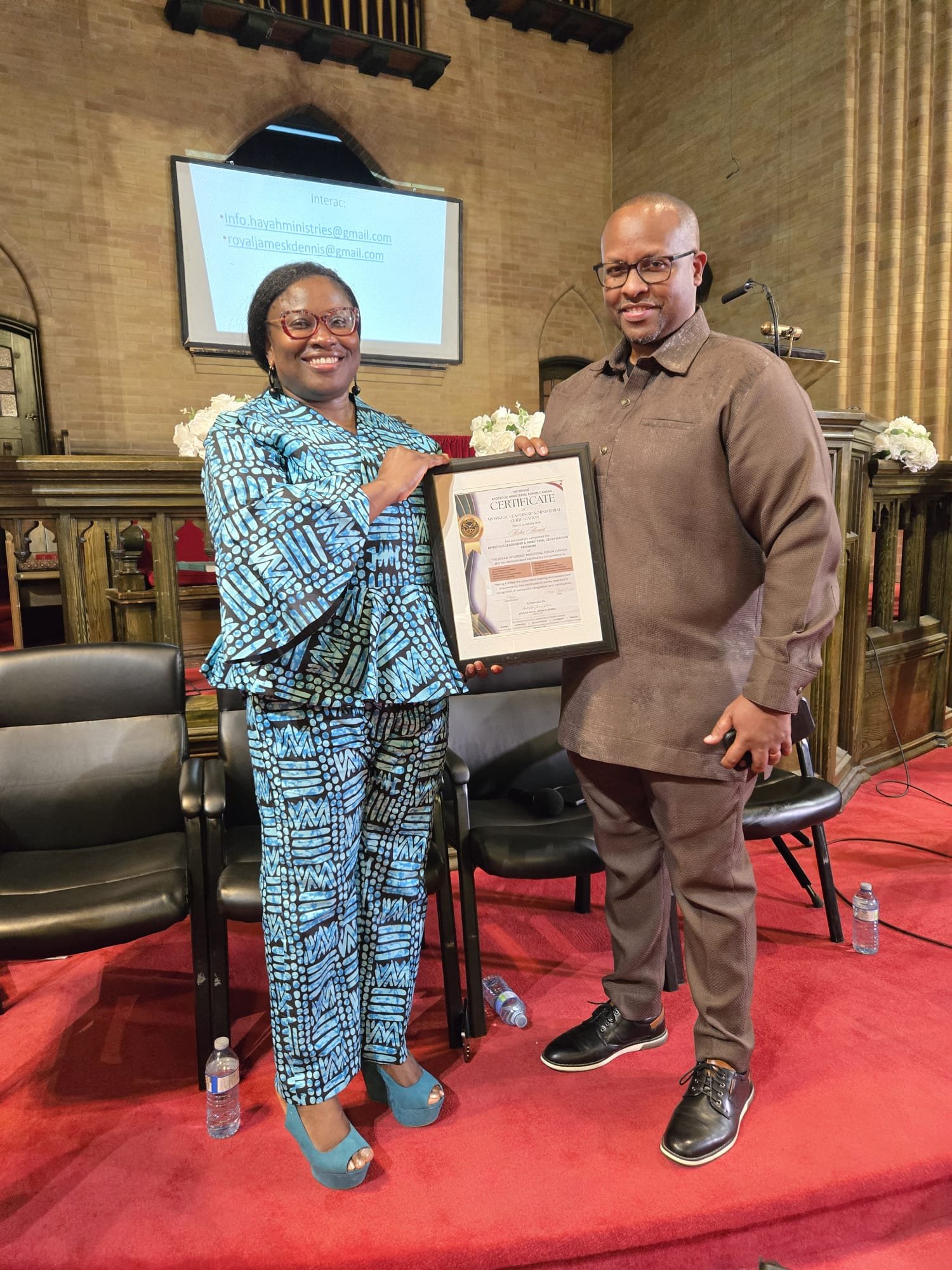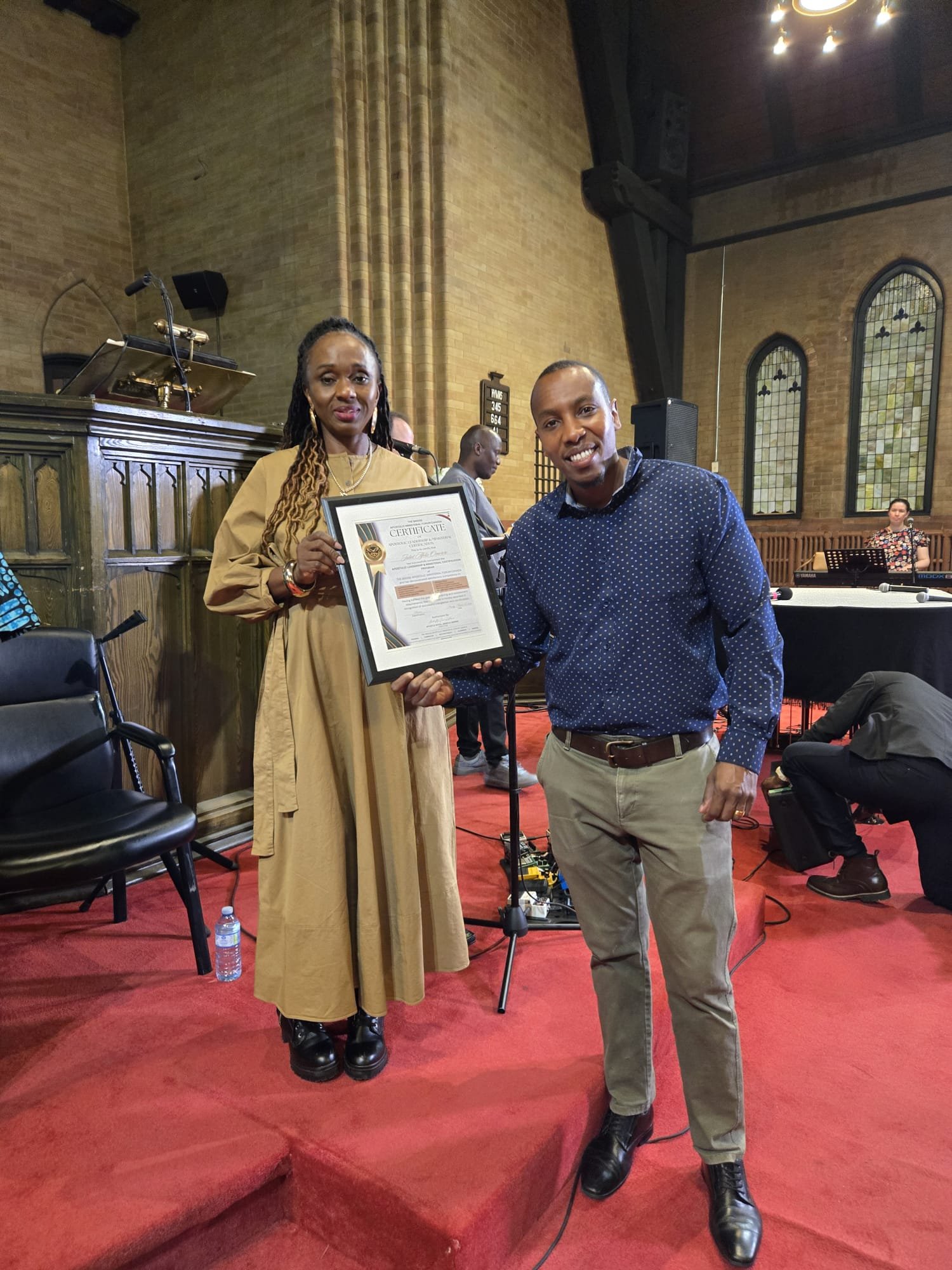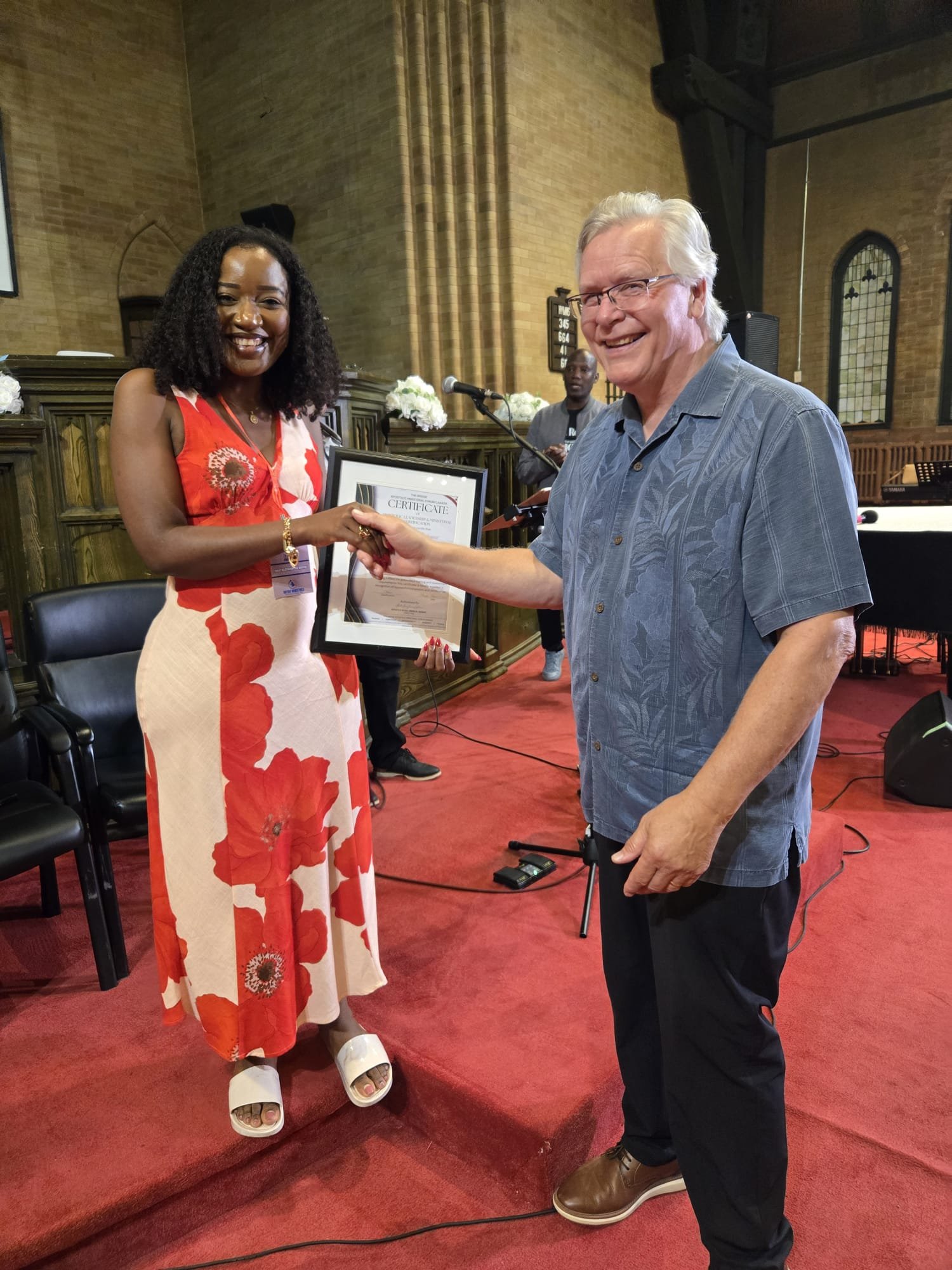
THE BRIDGE APOSTOLIC MINISTERIAL FORUM
“Apostolic Alignment • Doctrinal Stability • Kingdom Advancement”
1. FOUNDATIONAL IDENTITY
Vision
To raise, align, equip, and deploy kingdom-minded believers and ministers into accurate apostolic function, doctrinal stability, spiritual maturity, and transformational kingdom impact.
Mission
• To establish believers in sound doctrine
• To cultivate apostolic culture and kingdom alignment
• To build spiritually healthy ministers and ministry systems
• To train and deploy believers into effective kingdom service
• To foster spiritual accountability and ministerial excellence
2. CORE STRUCTURAL FRAMEWORK
THE BRIDGE shall function through:
• Apostolic Oversight
• Ministerial Clusters
• Training & Formation Systems
• Spiritual Governance
• Administrative Operations
• Deployment & Missions
• Evaluation & Advancement Systems
3. GOVERNMENTAL STRUCTURE
A. Apostolic Oversight Council
The highest spiritual and doctrinal body.
Responsibilities
• Preserve vision integrity
• Maintain doctrinal accuracy
• Provide spiritual oversight
• Approve policies and strategic direction
• Handle major disciplinary and alignment matters
Composition
• Apostolic Lead
• Senior Coordinators
• Doctrinal Advisors
• Prayer Oversight Leaders
B. Executive Administrative Team
Handles execution of systems and daily operations.
Responsibilities
• Communication flow
• Scheduling
• Documentation
• Planning meetings/events
• Records and onboarding management
Departments
• Secretariat
• Scheduling Unit
• Member Relations
• Technical/Media Administration
4. MINISTERIAL CLUSTER SYSTEM
Every member must belong to a cluster for proper growth, accountability, and deployment.
CLUSTER 1: APOSTOLIC & LEADERSHIP CLUSTER
Focus
Vision preservation, leadership development, strategic advancement.
Responsibilities
• Coordinate teams
• Supervise operations
• Lead initiatives
• Raise future leaders
Suitable For
• Visionaries
• Team leaders
• Organizers
• Strategic thinkers
CLUSTER 2 : DOCTRINE & TRAINING CLUSTER
Focus
Biblical accuracy and ministerial formation.
Responsibilities
• Develop training materials
• Handle orientations
• Conduct doctrinal teachings
• Facilitate discipleship systems
Units
• Curriculum Development
• Bible Training
• Theological Research
• Orientation Team
CLUSTER 3: PRAYER & INTERCESSION CLUSTER
Focus
Spiritual covering and prophetic alignment.
Responsibilities
• Prayer watches
• Intercession for members
• Spiritual warfare
• Prophetic burdens and alerts
Units
• Midnight Watch
• Fasting Coordination
• Emergency Prayer Response
• Prophetic Alignment Team
CLUSTER 4: EVANGELISM & MISSIONS CLUSTER
Focus
Kingdom expansion and soul harvest.
Responsibilities
• Outreach coordination
• Missions planning
• Community impact
• Evangelistic campaigns
Units
• Campus Outreach
• Community Missions
• Digital Evangelism
• Follow-up Team
CLUSTER 5 MEDIA & COMMUNICATIONS CLUSTER
Focus
Kingdom communication and digital visibility.
Responsibilities
• Graphics
• Publications
• Social media
• Video/audio management
• Information dissemination
Units
• Graphics Team
• Publications Team
• Social Media Unit
• Livestream/Technical Unit
CLUSTER 6 WORSHIP & CREATIVE ARTS CLUSTER
Focus
Atmosphere ministry and creative kingdom expression.
Responsibilities
• Worship coordination
• Creative ministrations
• Spoken word/drama
• Sound atmosphere
Units
• Music Team
• Instrumentalists
• Spoken Word Unit
• Creative Expression Team
CLUSTER 7 ADMINISTRATION & LOGISTICS CLUSTER
Focus
Operational excellence and system coordination.
Responsibilities
• Event coordination
• Attendance systems
• Resource management
• Internal organization
Units
• Event Logistics
• Hospitality
• Documentation
• Coordination Unit
CLUSTER 8 COMMUNITY & HUMANITARIAN DEVELOPMENT CLUSTER
Focus
Kingdom impact through societal transformation.
Responsibilities
• Welfare support
• Community intervention
• Humanitarian projects
• Social impact initiatives
Units
• Welfare Team
• Outreach Relief Team
• Community Development
• Impact Projects
5. MEMBER DEVELOPMENT PIPELINE
Every member progresses through structured phases.
PHASE 1 ORIENTATION
Duration: 1–2 Weeks
Covers
• Vision and culture
• Doctrinal foundations
• Conduct expectations
• Spiritual alignment
• Cluster introduction
PHASE 2 ALIGNMENT & TRAINING
Duration: 1–3 Months
Covers
• Leadership culture
• Spiritual discipline
• Apostolic systems
• Ministerial ethics
• Service structure
Members are assigned mentors and clusters here.
PHASE 3 ACTIVATION & SERVICE
Members begin active responsibilities.
Includes
• Team participation
• Practical ministry service
• Evangelism deployment
• Administrative assignments
PHASE 4 LEADERSHIP DEVELOPMENT
Advanced leadership formation.
Covers
• Team management
• Conflict resolution
• Vision preservation
• Discipleship leadership
6. TRAINING SYSTEM
Weekly Training Structure
Saturday Apostolic Sessions
• Doctrine
• Alignment
• Vision teachings
• Leadership formation
Monthly Intensive
• Strategic training
• Impartation
• Skill development
Quarterly Leadership Retreat
• Evaluation
• Prayer
• Strategic planning
• Re-alignment
7. ACCOUNTABILITY SYSTEM
Every member must have:
A. Cluster Accountability
Reporting to cluster heads.
B. Spiritual Accountability
Prayer, conduct, consistency.
C. Service Accountability
Task completion and reliability.
8. COMMUNICATION STRUCTURE
Official Channels
• WhatsApp Platform
• Announcement Unit
• Cluster Group Channels
• Leadership Communication Line
Information Flow
Apostolic Council
↓
Executive Team
↓
Cluster Leaders
↓
Members
9. DISCIPLINARY & ALIGNMENT SYSTEM
Areas Reviewed
• Conduct
• Doctrinal consistency
• Commitment
• Unity preservation
• Ethical behavior
Correction Process
• Private correction
• Leadership review
• Restoration process
• Reconciliation and reintegration
10. DEPLOYMENT SYSTEM
Members are deployed based on:
• Spiritual maturity
• Faithfulness
• Capacity
• Training completion
• Character stability
11. LEADERSHIP HIERARCHY
Structure
• Apostolic Lead
• Oversight Council
• Executive Coordinators
• Cluster Heads
• Unit Leaders
• Members
• Trainees
12. PERFORMANCE & GROWTH EVALUATION
Quarterly evaluations should assess:
• Attendance
• Spiritual growth
• Service consistency
• Leadership development
• Doctrinal understanding
13. CORE CULTURE OF THE BRIDGE
Foundational Values
• Sound Doctrine
• Spiritual Integrity
• Humility
• Kingdom Service
• Excellence
• Unity
• Discipline
• Prayerfulness
• Accountability
• Love
14. OPERATIONAL SCHEDULE MODEL
Weekly
• Prayer Watches
• Cluster Meetings
• Training Sessions
Monthly
• Leadership Evaluation
• Outreach/Missions
• Worship & Communion Gathering
Quarterly
• Retreats
• Strategic Planning
• Leadership Appraisal
15. THE BRIDGE ONBOARDING FLOW
Step-by-Step Integration
Step 1
Complete onboarding form
Step 2
Review by Integration Team
Step 3
Cluster assignment
Step 4
Orientation training
Step 5
Mentorship pairing
Step 6
Deployment into active service
16. OFFICIAL DECLARATION
THE BRIDGE is not merely a gathering, but a structured apostolic system committed to raising aligned believers, equipped ministers, doctrinally stable leaders, and spiritually mature vessels for kingdom advancement and generational impact.
May excellence, order, power, and truth continually govern this vision.
Shalom.
Apostle Dr. Royal James K. Dennis
PHASE 2: INTEGRATION
Strengthening Alignment, Functionality, and Apostolic Community.
Phase 2 of The Bridge Apostolic Ministerial Forum focuses on the intentional integration of participants into active ministry expression, relational covering, and community impact. This phase is designed to move individuals from orientation into functional participation, spiritual accountability, and practical engagement within the apostolic vision.
1. Assignment to Ministry Clusters
(Apostolic, Evangelism, Missions, Training)
At this stage, every participant is prayerfully and strategically assigned to a ministry cluster that aligns with their calling, grace, and spiritual capacity. This ensures proper placement, productivity, and growth within the body.
a. Apostolic Cluster
This cluster focuses on leadership, governance, doctrine, and pioneering initiatives. Individuals here are equipped to provide spiritual oversight, maintain doctrinal integrity, and advance apostolic structures.
b. Evangelism Cluster
Dedicated to soul-winning and outreach, this cluster mobilizes members for active evangelism, both personal and corporate. Emphasis is placed on bold witness, compassion, and the demonstration of the Gospel.
c. Missions Cluster
This arm drives territorial and cross-cultural impact. Participants engage in mission planning, field operations, humanitarian expressions, and strategic kingdom expansion beyond local boundaries.
d. Training Cluster
Focused on capacity building, this cluster handles discipleship, leadership development, and doctrinal instruction. It ensures that every member is grounded, equipped, and continually growing.
Implementation Approach:
• Spiritual assessment and leadership discernment guide placement
• Flexibility for future reassignment as growth and clarity increase
• Clear expectations, roles, and reporting structures are communicated
2. Mentorship Pairing
Cultivating Growth Through Spiritual Covering and Accountability
Every participant is paired with a seasoned mentor for guidance, encouragement, and accountability. This establishes relational depth and ensures that no one journeys alone.
Objectives of Mentorship:
• Provide spiritual oversight and pastoral care
• Foster character development and maturity
• Guide ministry effectiveness and personal growth
• Offer counsel, correction, and encouragement
Structure:
• One-on-one mentor–mentee relationships
• Monthly structured check-ins and open communication channels
• Goal setting and progress evaluation
• Confidentiality and trust as foundational values
Expected Outcomes:
• Strengthened spiritual disciplines
• Clarity in calling and ministry direction
• Healthy relational bonds within the Forum
• Increased effectiveness in assigned clusters
3. Community Engagement Forums
Building Fellowship, Collaboration, and Collective Impact
To foster unity and active participation, structured community engagement platforms are established. These forums create space for interaction, collaboration, and shared growth.
Key Expressions:
• Discussion Forums: Regular dialogues on doctrine, ministry experiences, and contemporary issues
• Workshops & Roundtables: Practical training sessions and strategy development meetings
• Outreach Engagements: Corporate evangelism, humanitarian efforts, and community service
• Testimony & Reflection Gatherings: Sharing of experiences, breakthroughs, and lessons
Core Values:
• Unity of the Spirit and mutual respect
• Open, edifying communication
• Active participation and collaboration
• A culture of honor and accountability
Impact Goals:
• Strengthen the sense of belonging and identity
• Encourage cross-cluster collaboration
• Facilitate continuous learning and innovation
• Extend the influence of the Forum into the wider community
Conclusion
Phase 2: Integration is a critical bridge between vision and expression. It ensures that every participant is not only connected but also actively contributing within a structured, supportive, and spiritually vibrant environment. Through strategic placement, intentional mentorship, and dynamic community engagement, The Bridge Apostolic Ministerial Forum advances as a unified body, equipped for impact and sustained success
An Apostolic Ministerial Forum under HAYAH Apostolic Ministerial Network
“And He Himself gave some to be apostles, some prophets, some evangelists, and some pastors and teachers, for the equipping of the saints…”
Ephesians 4:11–12 “That they all may be one…” John 17:21
1. Vision Statement:
THE BRIDGE exists to connect, equip, empower, and deploy ministers of the Gospel across nations, bridging generations, graces, callings, territories, and assignments for the advancement of the Kingdom of God.
2. Mission Statement:
To provide a unified apostolic platform that strengthens ministers through leadership training, spiritual empowerment, global ministerial exposure, and coordinated missions, while fostering sustained unity within the Body of Christ.
3. Core Objectives:
1. Apostolic Unity & Kingdom Alignment
• To build a non-denominational apostolic bridge that fosters oneness of purpose among ministers.
• To break isolation among ministers and strengthen collaborative Kingdom assignments.
• To promote doctrinal soundness, spiritual accountability, and mutual honor within the Body of Christ.
2. International Ministerial Opportunities
• To create global ministerial platforms for members through:
• International conferences and summits
• Cross-border pulpit exchanges
• Global prayer and revival gatherings
• To facilitate ministerial exposure and partnerships across Africa, Europe, the Americas, and Asia.
• To position ministers for international missions, invitations, and Kingdom collaborations.
3. Apostolic Leadership Training
• To raise governed apostolic leaders who understand:
• Kingdom authority and order
• Apostolic doctrine and spiritual jurisdiction
• Territorial stewardship and spiritual governance
• To provide structured apostolic training through:
• Apostolic Schools
• Leadership intensives
• Mentorship and fathering systems
• To sharpen ministers in vision execution, church systems, and Kingdom administration.
4. Evangelical Leadership Training
• To equip ministers with effective evangelism strategies for cities, nations, and territories.
• To train ministers in:
• Power evangelism
• Marketplace evangelism
• Discipleship systems
• To raise leaders who can mobilize souls, not just services.
5. Missions & Strategic Outreaches
• To coordinate joint missions and outreaches locally and internationally.
• To mobilize ministers for:
• Rural and urban missions
• IDP, prison, hospital, and community outreaches
• Church planting support
• To pool resources, manpower, and grace for sustained Kingdom impact.
6. Sustained Unison of the Body of Christ
• To function as a relational bridge, not a competitive structure.
• To host:
• Ministerial roundtables
• Strategic Kingdom dialogues
• Inter-ministerial prayer altars
• To model unity as a living testimony to the world.
7. Spiritual Empowerment & Prophetic Impartation
• To provide consistent platforms for:
• Apostolic and prophetic impartation
• Spiritual refreshing and renewal
• Prayer, fasting, and Awakenings encounters
• To strengthen ministers spiritually to withstand pressure, persecution, and fatigue.
4. Operational Structure of THE BRIDGE:
A. Leadership Council
• Apostolic Oversight (Under HAYAH Apostolic Ministerial Network)
• Executive Director / Convener
• Regional & International Coordinators
• Advisory Council of seasoned ministers
B. Core Departments:
• Apostolic & Leadership Training Department
• Evangelism & Missions Department
• International Relations & Partnerships
• Prayer, Prophetic & Spiritual Life
• Ministerial Welfare & Support
• Media, Communications & Publications
5. Key Programs & Platforms
• THE BRIDGE Apostolic Summit (Annual)
• Quarterly Leadership & Empowerment Forums
• Global Prayer & Impartation Nights
• International Missions & Outreach Projects
• Ministerial Mentorship & Alignment Circles
6. Membership & Participation
• Open to Apostles, Prophets, Evangelists, Pastors, Teachers, and Ministry Leaders.
• Membership based on calling, character, and commitment, not titles alone.
• Emphasis on relationship, accountability, and Kingdom fruitfulness.
7. Core Values
• Christ-Centeredness
• Apostolic Order
• Unity in Diversity
• Integrity & Accountability
• Spiritual Depth & Power
• Global Kingdom Impact
Closing Declaration
THE BRIDGE is not a platform for competition but a conduit for connection.
Not a denomination, but a Divine alignment.
Not an event, but a movement of ministers united for global Kingdom influence.